By Rabbi Yishai Natan:
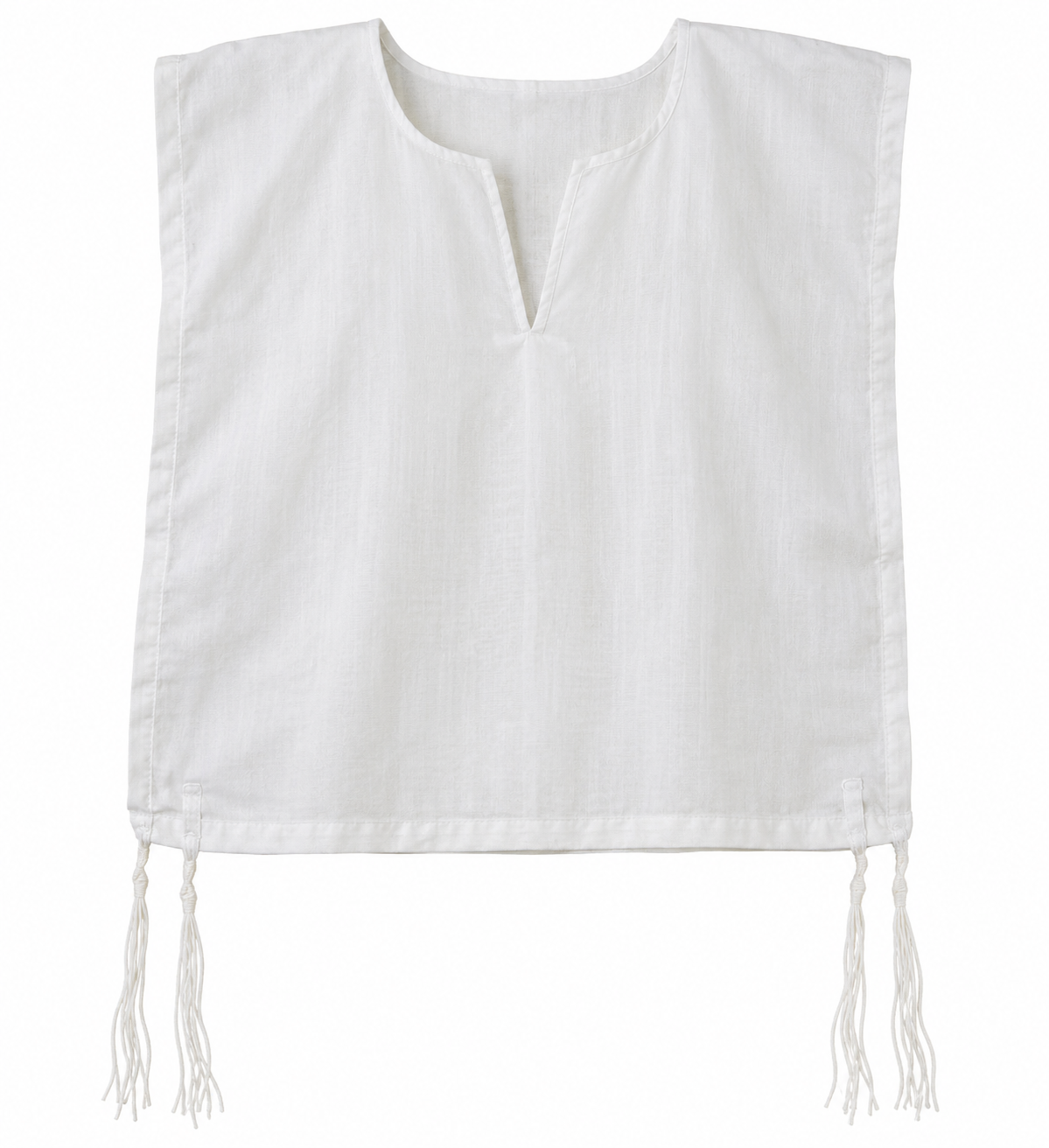
Q: What material should the beged of my tzitzit be made from? Should it specifically be wool, or is cotton also acceptable?
A: The question begins with a mahloket in the Gemara (Menahot 39b) whether a four-cornered garment made from materials other than wool or linen is obligated in tzitzit min haTorah. This mahloket continues among the Rishonim.
The Rambam (Hilchot Tzitzit 3:2) rules that only a garment made from sheep’s wool or linen is obligated min haTorah. Cotton, silk, and other materials are obligated only miderabbanan. On the other hand, Tosafot, the Rosh, Semag, and Mordechai hold that garments made from other materials are also obligated min haTorah. This mahloket is brought in Shulhan Aruch O.H. 9:1.
Maran Shulhan Aruch (O.H. 9:1, 9:6) rules like the Rambam: only sheep’s wool or linen is obligated min haTorah, while cotton and other materials are obligated miderabbanan. Therefore, Maran writes that a yereh Shamayim should make his tallit from sheep’s wool, so that he fulfills the mitzvah min haTorah according to all opinions.
The Ben Ish Hai (Year 1, Noah 1) and the Kaf HaHaim (O.H. 9:5) follow Maran’s wording and write that wool is the preferred material because it allows a person to fulfill the Torah-level obligation according to all opinions. A cotton or silk garment is still valid miderabbanan.
Rav Yitzhak Yosef (Yalkut Yosef, O.H. 9:1) likewise writes that lechat’hilah one should wear a tallit katan made from sheep’s wool, even though wool may be less comfortable, especially in the summer. However, if wool is very difficult for a person to wear and there is concern that he may stop wearing tzitzit altogether, he may wear cotton. Hacham Ben Tzion Abba Shaul (Ohr LeTzion, vol. 2, 2:3:3) adds that if the weather is too hot to wear wool all day, one should wear a wool beged in the morning while it is still cool, and later switch to a cotton beged when it becomes hotter.
Ashkenazim are more lenitent. The Rema (O.H. 9:1) rules like Tosafot that garments made from other materials, including cotton, are obligated in tzitzit min haTorah. Therefore, according to the basic Ashkenazi ruling, a cotton tallit katan fulfills a Torah-level obligation. Nevertheless, the Mishnah Berurah (9:5) writes that a yereh Shamayim should preferably wear wool in order to fulfill the mitzvah min haTorah according to all opinions.
Therefore, for a Sephardi, lechat’hilah the tallit katan should be made from wool. If wool is too uncomfortable or difficult to wear, cotton is valid, although according to Maran its obligation is only miderabbanan. For an Ashkenazi, cotton is already considered a Torah-level obligation according to the Rema, although wool is still preferable according to the Mishnah Berurah.