 Print this Article
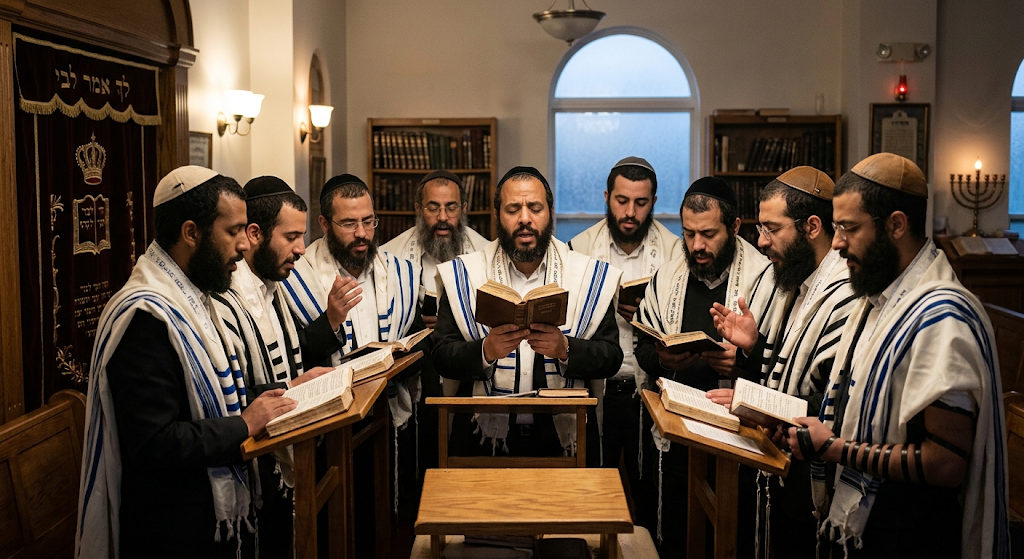
HaRav Netanel Levihim –
Can One Say the Yud Gimmel Midot Without a Minyan? And Which Parts of Selihot Can Only Be Said With a Minyan?
The Tur in Orah Haim 565brings down from Rav Natan that a person should not say the Yud Gimmel Midot without a minyan. The Tur himself, however, writes that he is not certain what the issue is, and why it is not like any other pasuk in the Torah that one may read even without a minyan. The Bet Yosef brings the Rashba, who writes that since the Yud Gimmel Midot is set for tefillah and for asking mercy, it becomes a davar shebikedusha and is assur to say without a minyan, like Kaddish or Kedusha. If, however, it is read as derech keriah (in the manner of Torah reading), then it is permitted. The Terumat HaDeshen 8, explains that this means reciting it with the ta’amim of the reading of the Torah. Maran, in the Shulhan Aruch, rules like the Rashba.
The Kaf HaHaim 131, and the Ben Ish Hai, Parashat Ki Tisa 5, write that this leniency applies only to the Yud Gimmel Midot recited after the Amidah, because it’s a necessity for the Amidah prayer. At all other times the Yud Gimmel Midot are not said and a person should read only until (not including) “Vechein Katuv BeToratach.” Hazon Ovadia, however, holds that they may be said at any time, as long as it is done with the ta’amim and niggun — therefore, even while reciting the Selihot, it may still be recited. (Hazon Ovadia, Yamim Noraim, page 27)
Regarding the Aramaic portions of the Selihot, Hacham Ovadia Yosef, in Yabia Omer 1:35, writes in the name of the Shibolei HaLeket that they should be said only in the presence of ten men. The reason given, based on the Gemara Shabbat 12b, is that the angels do not understand Aramaic, and therefore cannot help carry the tefillah upward. When ten men are present and reciting the tefillah together, the Shechina is there, and the angels are not needed for this purpose. This halacha is also brought down in the Mishna Berura 581:4,. The Kaf HaHaim ibid, and Or LeTziyon 4:1:2, however, hold that it may be said even without the presence of ten men. There is even more of a reason to be lenient regarding the portion of Rachamana. (Torah Lishma 49)