 Print this Article
HaRav Yishai Natan –
Why Don’t Ashkenazim Do Birkat Kohanim in Chutz La’Aretz?
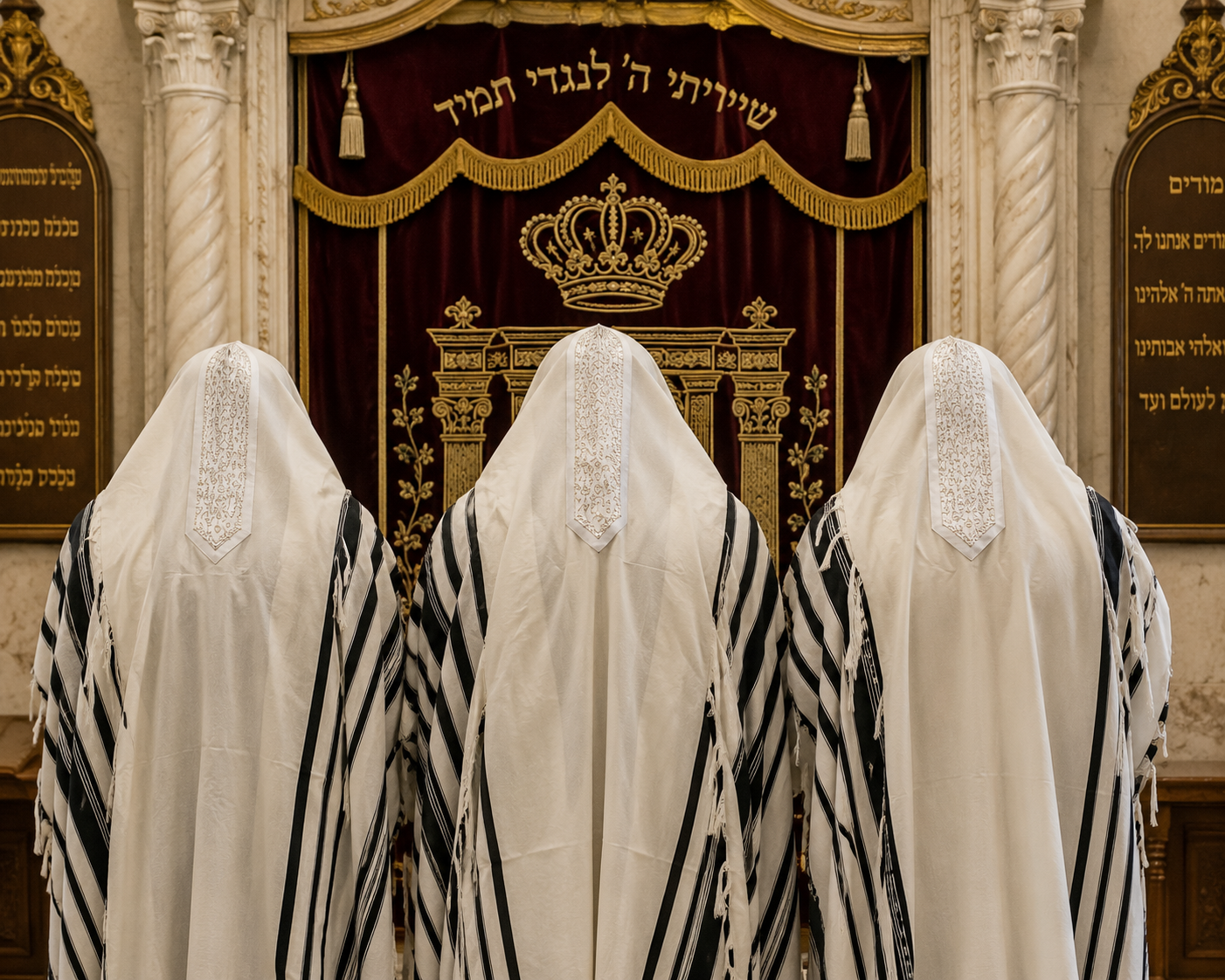
The Gemara in Sotah 38b says many incredible things about Bikar Kohanim.
“הקב״ה מתאוה לברכת כהנים” – Hashem desires Birkat Kohanim. Not just that He likes it — He desires it.
“כל כהן שמברך מתברך” – Every Kohen who blesses the people is himself blessed.
The Tur brings from the Yerushalmi that Hashem Himself joins His voice together with the Kohanim. Even though the Kohanim are physically saying the berachah, Hashem is the One actually giving the berachah.
The Mishnah Berurah (ס״ק קמו) brings the Rambam who says:
“ואל תתמה ותאמר ומה תועלת בברכת הדיוט זו… אלא הקב״ה מברך” – A person should not think, “What benefit is there from this regular person blessing me?” Maybe the Kohen is just some regular guy from the neighborhood. The Rambam says don’t think that way. It’s not the Kohen giving the berachah — it’s Hashem Himself, as the pasuk says: “ואני אברכם”.
The Gemara in Sotah also says:
“כל כהן שאינו עולה לדוכן עובר בשלשה עשה” – Any Kohen who does not go up to duchan transgresses three mitzvot aseh.
So obviously we see Birkat Kohanim is tremendous and very important. Which brings us to the obvious question: Why don’t Ashkenazim in Chutz La’Aretz do Birkat Kohanim besides for during the Chaggim?
First thing to know: this is not a recent minhag. The Bet Ephraim, who lived in the 1700s, already says this minhag was over 500 years old in his time.
The Aruch HaShulchan (128:64) says something fascinating. He writes that this minhag of not doing Birkat Kohanim is very weak. But what can we do? It’s as if a Bat Kol came down from Shamayim and declared not to do Birkat Kohanim in Chutz La’Aretz. He says two great Gedolim tried to reinstate it and were stopped from Heaven.
The Netziv (Meishiv Davar 2:104) brings the stories. The Gra wanted to reinstate daily Birkat Kohanim. He announced that beginning the next day they would start — and that very night he was arrested.
After that, Rav Chaim Volozhiner also attempted to reinstate it. He announced they would begin the next morning — and that night half the city burned down, including many batei kenesset.
When things like that happen, people understand it as a סימן מן השמים not to push the issue.
Now for the halachic reasons given.
1) Maharil — Tevilah
The Maharil (brought by the Bet Yosef OC 128) says since Kohanim should go to the mikveh before Birkat Kohanim. In Europe, especially during winter, this became very difficult and therefore came the minhag not to do Birkat Kohanim.
The Bet Yosef strongly questions this reason. Who says tevilah is required? At most it is a chumrah (stringency). How can you push aside three mitzvot aseh because of a chumrah?
2) Rama — Simchah
The Rama in Darchei Moshe (128) explains that Birkat Kohanim must be done with simchah. A Kohen who is stressed, upset, or distracted cannot give the berachah. Nowadays people are constantly worried about parnassah, bills, work, and financial pressure. Even on Shabbat many people are still mentally occupied with business and, in turn, cannot do Birkat Kohanim.
So why do they do it on Yom Tov? Because Yom Tov has an extra level of simchah. That added simchah allows the Kohanim to properly give the berachah.
3) Raavad — Tumah in the Home
The Bet Ephraim (6) brings from the Raavad that if there is a niddah in the Kohen’s home, he should not do Birkat Kohanim. Since this situation is very common, perhaps this became another reason not to do it regularly.
However, the Kaf HaChaim (168) rejects this proof. He explains that the Raavad was specifically discussing in the Bet HaMikdash, where they pronounced the explicit Name of Hashem. Nowadays that concern would not apply.
4) Safek Kehunah
This is perhaps the strongest reason.
The Bet Ephraim says that nowadays we are not fully certain who is really a Kohen. Many halachot are affected by this. For example, many people burn challah nowadays instead of giving it to a Kohen because perhaps he is not truly a Kohen. It is also brought that the Gra would repeatedly perform pidyon haben on himself whenever he encountered another Kohen, because perhaps the previous Kohen was not legitimate.
Rav Yitzchak explained that this may be why there is such an inyan to hear Birkat Kohanim at the Kotel on Yom Tov — because among thousands of Kohanim, you will certainly have at least one real Kohen.
Therefore, the Kohanim don’t do Birkat Kohanim because maybe they are not Kohanim. It says that a זר — a non-Kohen — who performs Birkat Kohanim violates a mitzvah aseh.
True, if he is a real Kohen and does not do Birkat Kohanim, he neglects three motzvot aseh. But if he is not a Kohen and does it, he actively violates an aseh through an action.
So we apply: “שב ואל תעשה עדיף” – Better to refrain passively than actively perform a possible aveirah.
Then why do they still do it on Yom Tov? The Bet Ephraim answers that it is so the mitzvah should not be completely forgotten.
Final Reason — Minhag
The Bet Ephraim concludes: even if none of these reasons fully convince you, at the end of the day a minhag is a minhag.
This practice is many hundreds of years old, and Klal Yisrael accepted it. Once a minhag becomes established, we do not simply uproot it because we do not fully understand the reason.
Sephardim are strict to the Halacha and never made this minhag. Therefore they do Birkat Kohanim every day. Rav Chaim Kanievsky said that many people try to find Segulot and try to get berachot from gedolim. Meanwhile the best beracha one can get is during Birkat Kohanim where Hashem Himself blesses you.
We should be zoche to the rebuilding of the Bet Hamikdash Bim’Hera Amen.