 Print this Article
Rabbi Yishai Natan –
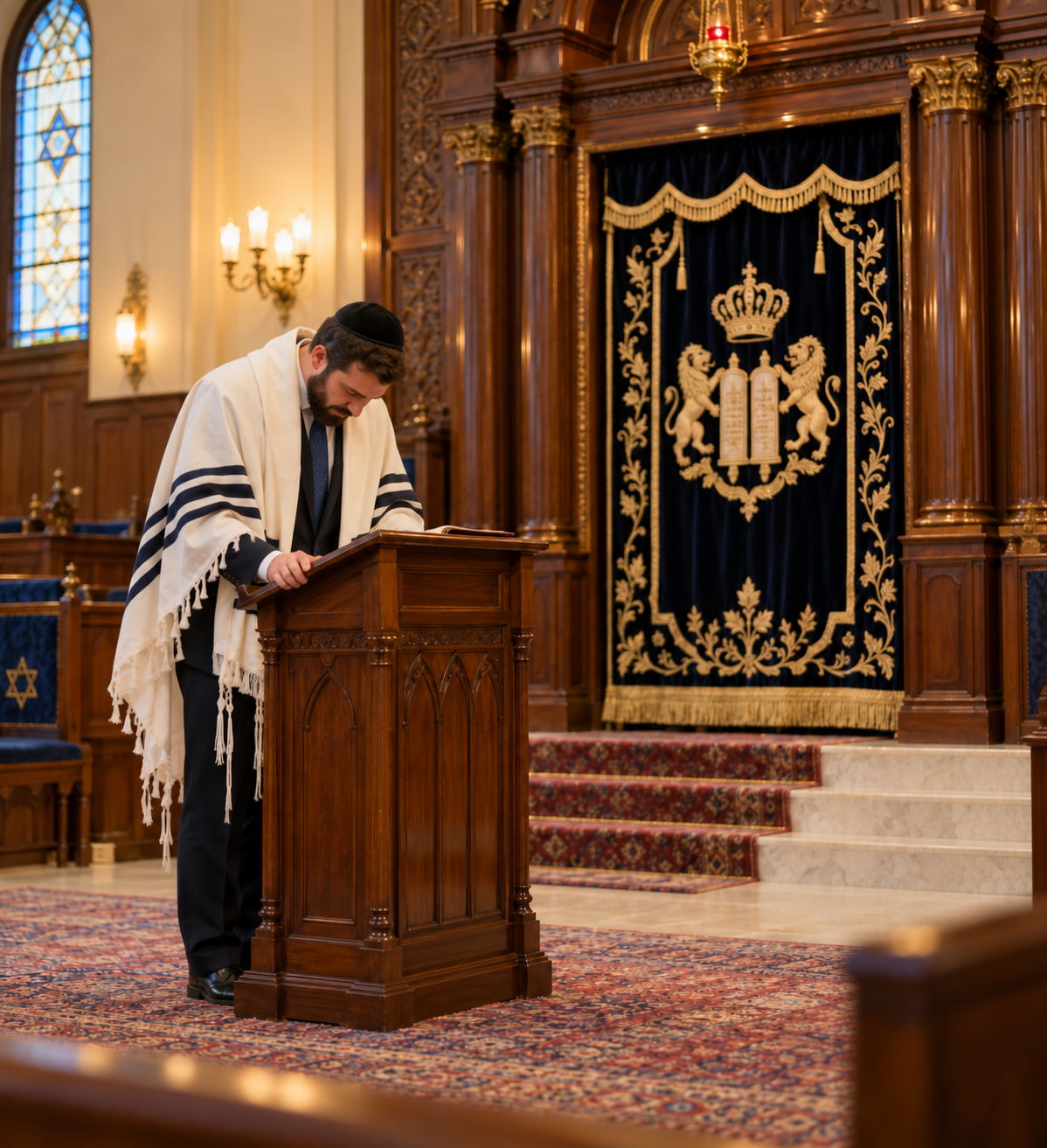
Q: Is a hazzan supposed to bow when saying Barechu et Hashem? Should the rest of the kehillah bow when answering Baruch Hashem Hamevorach?
A: HaRav Tzelah, Av Bet Din of Tehman (Tachliel Etz Haim 78), writes that the minhag is for the hazzan to bow when he says Barechu, as is stated in the Kol Bo (siman 8). He also brings a Midrash in which Rebbi Akiva says that every day there is a special malach who stands in the middle of the heavens. Each morning, he bows and calls out, “Barechu,” and all the malachim above answer, “Baruch Shem,” etc.
According to this, it would seem that only the hazzan bows, not the entire kehillah. This is also the ruling of Hacham Ben Tzion Abba Shaul (Ohr LeTzion, vol. 2, p. 48), who writes that only the hazzan should bow, and that this is the Sephardic minhag.
However, Maran writes (Shulhan Aruch 281:1), regarding adding extra bowings to Shemoneh Esreh, that a person should not add bowings in places where Hazal did not establish them. In Bet Yosef (siman 113) he writes that Tosafot (Berachot 34a) explain that doing so can belittle the takanah of Hazal, since people may think that bowing is simply something people do whenever they want, rather than something specifically established by Hazal. Another reason is that a person who bows more than everyone else may appear haughty. According to this, it would seem that even the hazzan should not bow.
The Hafetz Haim (Biur Halachah, siman 113) writes that the Magen Giborim worked hard to find a valid basis for the practice of bowing during Barechu. The Hafetz Haim himself finds support from a pasuk that bowing there is permitted, and concludes that minhag Yisrael Torah and one may follow this minhag. His wording also seems to indicate that it is not only the hazzan who bows, but the entire kehillah.
Although the Ohr LeTzion writes that the Sephardic minhag is for the kehillah not to bow, HaRav Yehuda Laviah Ben-David (Karah Ravatz, p. 214) questions why there should be a difference between the hazzan and the kehillah. He writes that the Sephardic minhag is actually for everyone to bow, and that Sephardim were even more accustomed to bowing than Ashkenazim. Similarly, Shu”t Rivevot Ephraim (1:47) writes, puk hazi—go out and see what people actually do—and notes that everyone bows. Netivot HaMa’arav (p. 25), which records the minhagim of the Sephardim of Morocco, also writes that everyone bows slightly when answering Baruch Hashem hamevorach.
Once there is an established minhag for the entire kehillah to bow, the two concerns mentioned by Tosafot would also seem not to apply. The bowing is no longer something an individual decided to add on his own, nor does he appear haughty by doing something different from everyone else.
Therefore, although the Ohr LeTzion writes that only the hazzan should bow, there are also strong sources supporting the minhag for the entire kehillah to bow slightly during Barechu.