 Print this Article
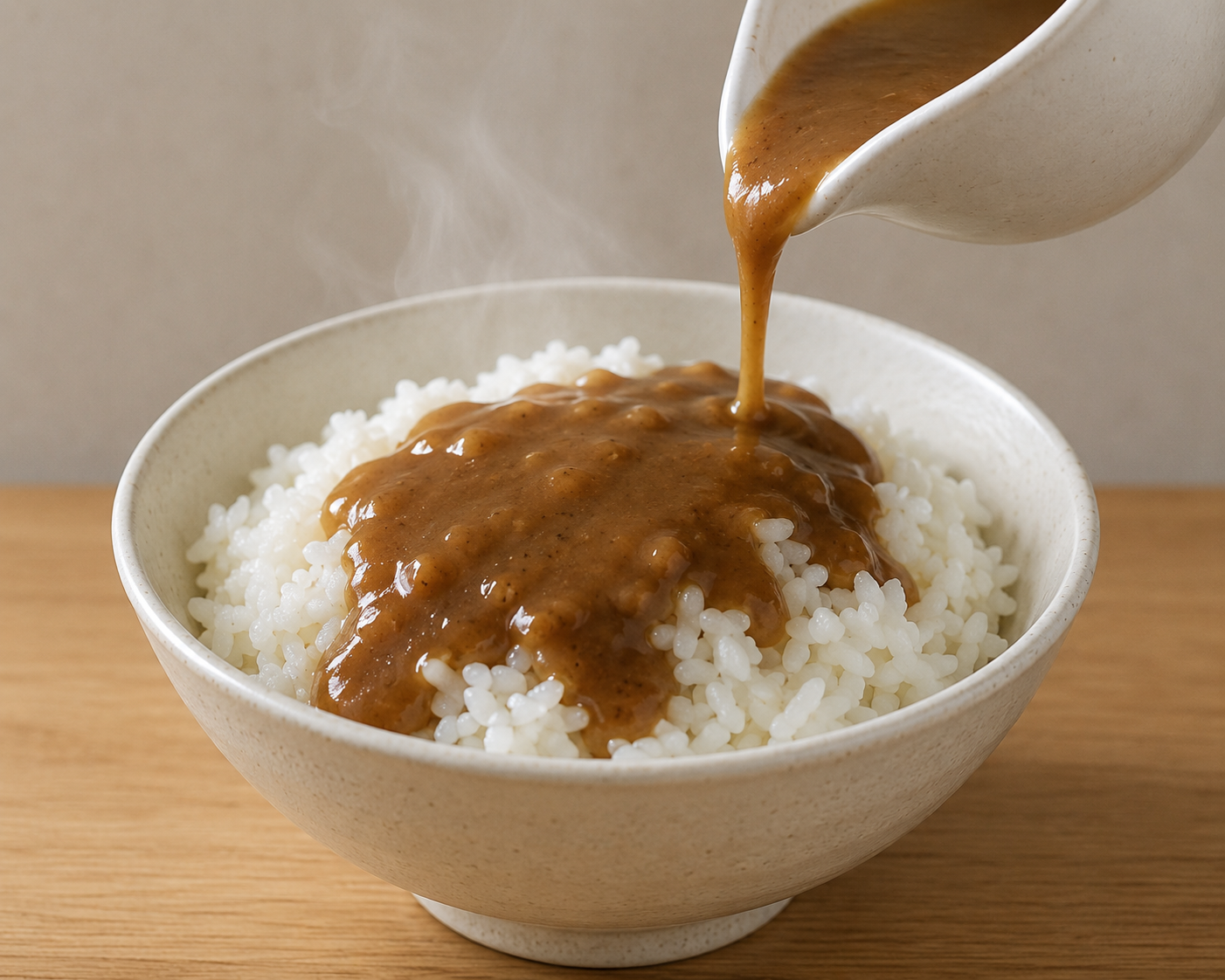
Can I Pour Cold Gravy on Hot Rice on Shabbat?
What if I Put a Hot Burger on a Dairy Plate?
Both of these questions depend on the same halachic issue: Does a davar gush (a hot solid food) retain the ability to cook after being transferred into a kli sheni?
Generally, a kli sheni does not cook because once food leaves the original pot, it begins to cool. However, the Maharshal writes that this applies mainly to liquids. A davar gush, such as rice, meat, or potatoes, retains its internal heat much longer. Therefore, many major poskim, including the Shach (YD 94:30), Taz (94:14), and Magen Avraham (318:35), rule that a davar gush in a kli sheni can still cook.
On the other hand, the Rama in Darche Moshe (YD 105:4) writes that even a davar gush in a kli sheni does not cook, and this appears to be the view of Maran as well, who makes no distinction between liquids and solids.
Rav Yitzchak Yosef (Shabbat vol. 3 p. 201) writes that Sephardim may rely on Maran’s ruling and be lenient, and later, after the publication of Meor Yisrael by his father, Rav Ovadia Yosef, he retracted his earlier wording and clarified that according to Maran it is entirely permissible (YD p. 114). Likewise, Hacham Ben Zion Abba Shaul in Ohr LeTzion (vol. 2 p. 236) writes that the Sephardic custom is not to be concerned for the opinion of the Maharshal.
Therefore, although Ashkenazim are generally stringent regarding davar gush, according to Sephardic halacha it is permitted. One may pour cold gravy onto hot rice on Shabbat, place ketchup on hot solid foods, or put a hot burger onto a dairy plate without rendering the plate taref.